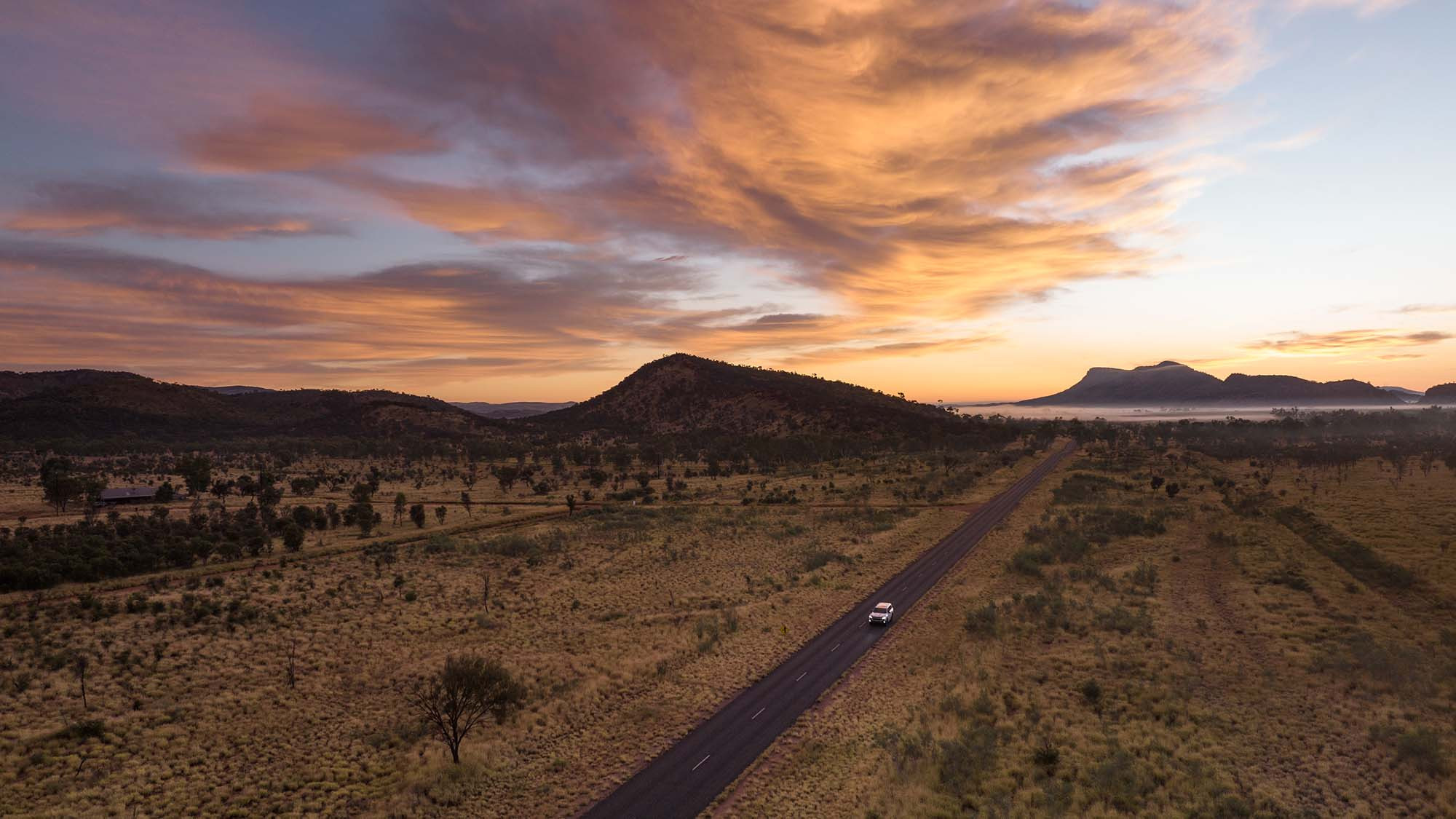
There’s a moment on the drive west of Alice Springs when the landscape takes over. Long ridgelines stretch across the horizon, ghost gums stand bright against red rock, and the open road draws you deeper into Central Australia.
The West MacDonnell Ranges reward curiosity. Turn off the main road and you’ll discover towering gorges, sheltered waterholes and places of deep cultural significance. Allow yourself time to linger, and a sightseeing stop becomes something far more memorable: the hush between rock walls, a flash of movement among the boulders, the changing colour of a cliff as sunlight reaches it.
For travellers who enjoy spectacular scenery, meaningful experiences and a comfortable pace, this is a region well worth exploring.
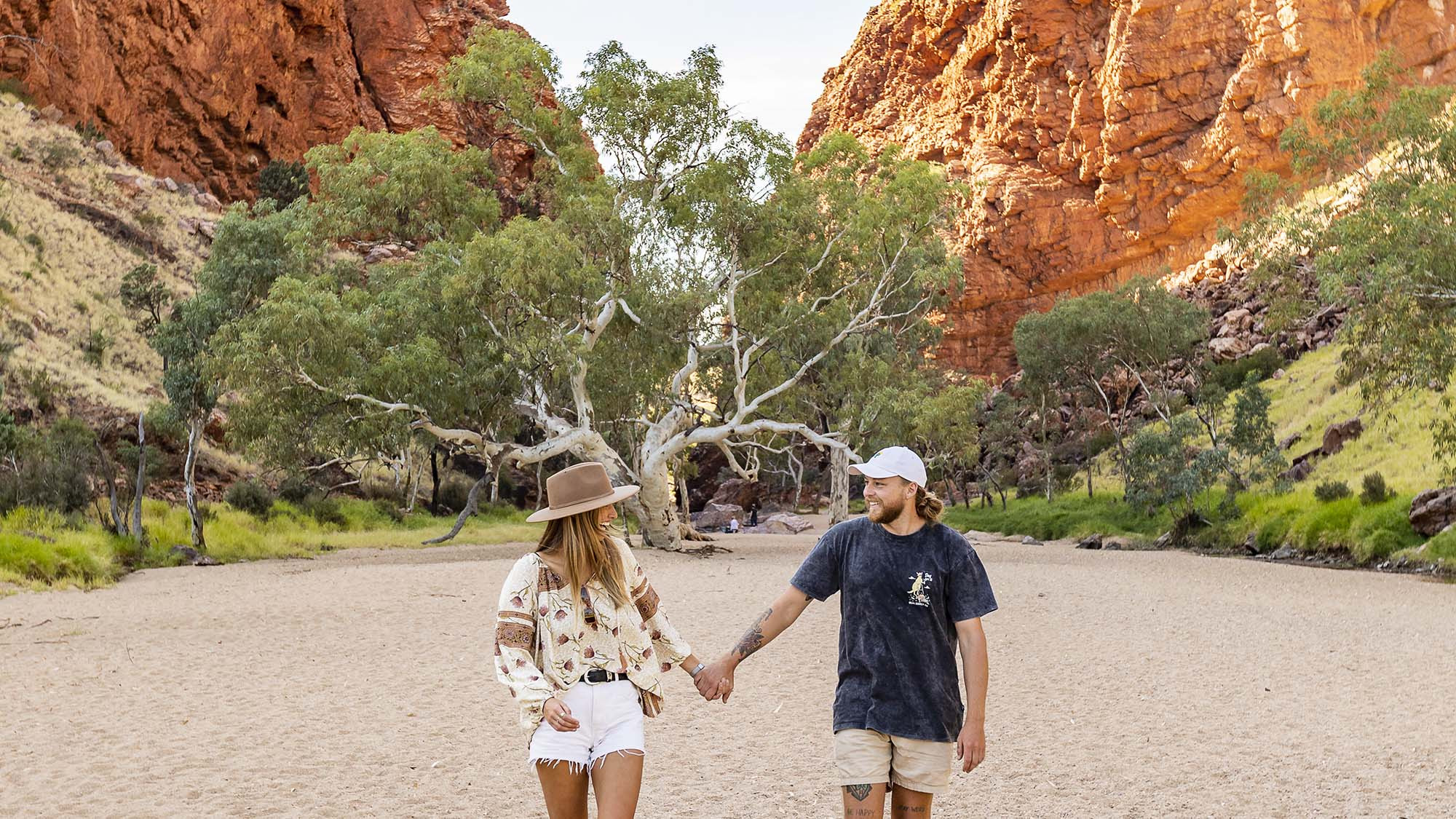
An extraordinary landscape on Alice Springs’ doorstep
Alice Springs makes a convenient base for exploring the West MacDonnell Ranges, with access to many visitor areas along Larapinta Drive and Namatjira Drive. You can head out for a day of selected highlights or spread your exploring across several outings.
Our advice? Resist the temptation to fit everything into one day. Choose a few places that interest you and leave room for a picnic, photographs and an unhurried walk.
A guided tour is worth considering if you’d prefer someone else to handle the driving. Before booking, check the itinerary’s walking requirements and time spent at each stop so you can choose a day that suits your interests and fitness.
Simpsons Gap: An impressive introduction
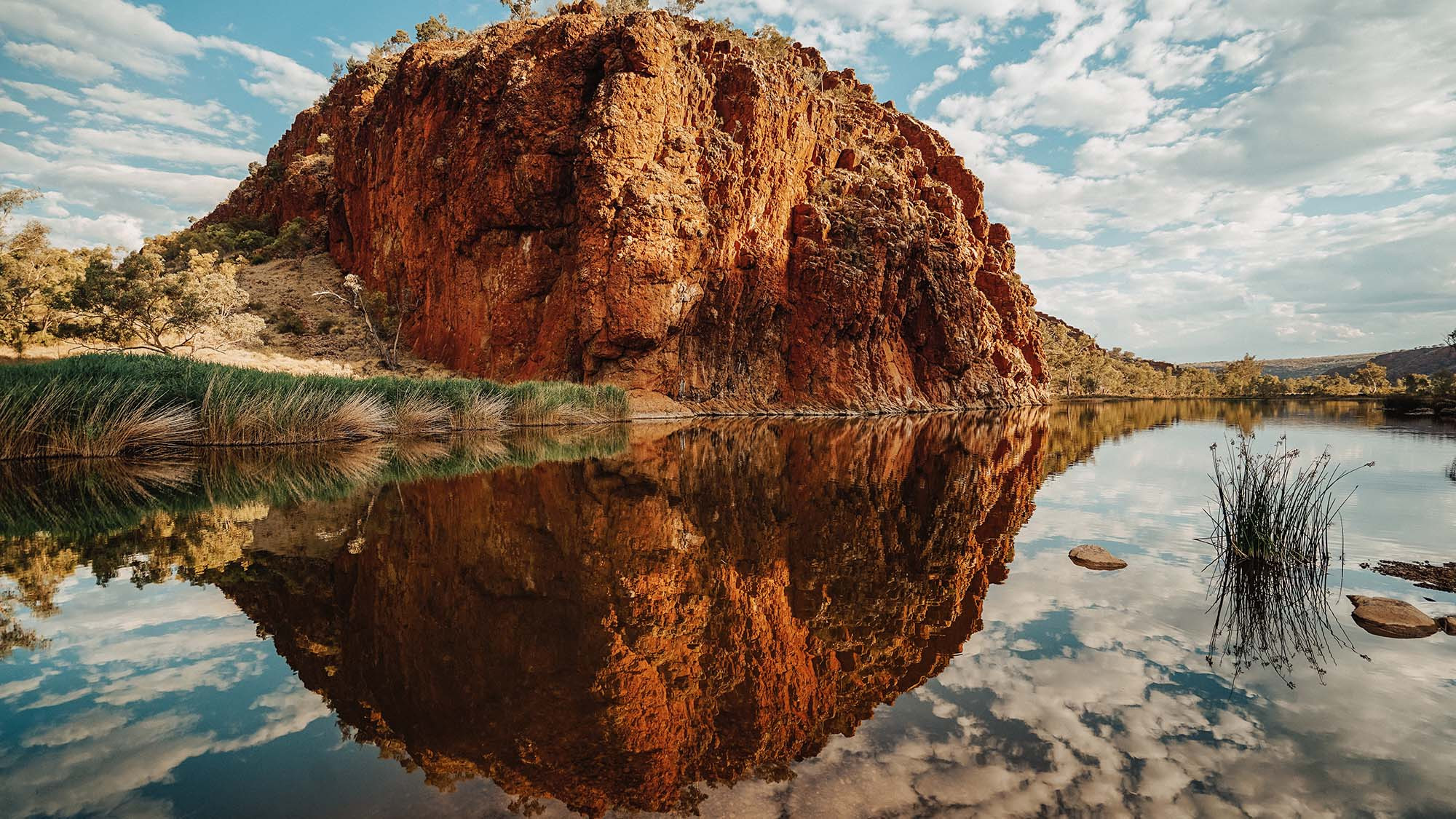
Around a 20 minute drive from Alice Springs, Simpsons Gap offers an early taste of the scenery ahead. A striking break in the ranges frames a permanent waterhole, while ghost gums and rocky slopes add to the setting.
Keep an eye on the boulders, particularly around dawn or dusk, when you may spot black-footed rock wallabies. There’s real pleasure in pausing quietly and watching the landscape reveal its smaller details.
Simpsons Gap is also an important spiritual site, crossed by several Dreaming trails and stories. Take time to read the interpretation and appreciate the significance of the place. Swimming is not permitted here.
Standley Chasm: Step between towering rock walls
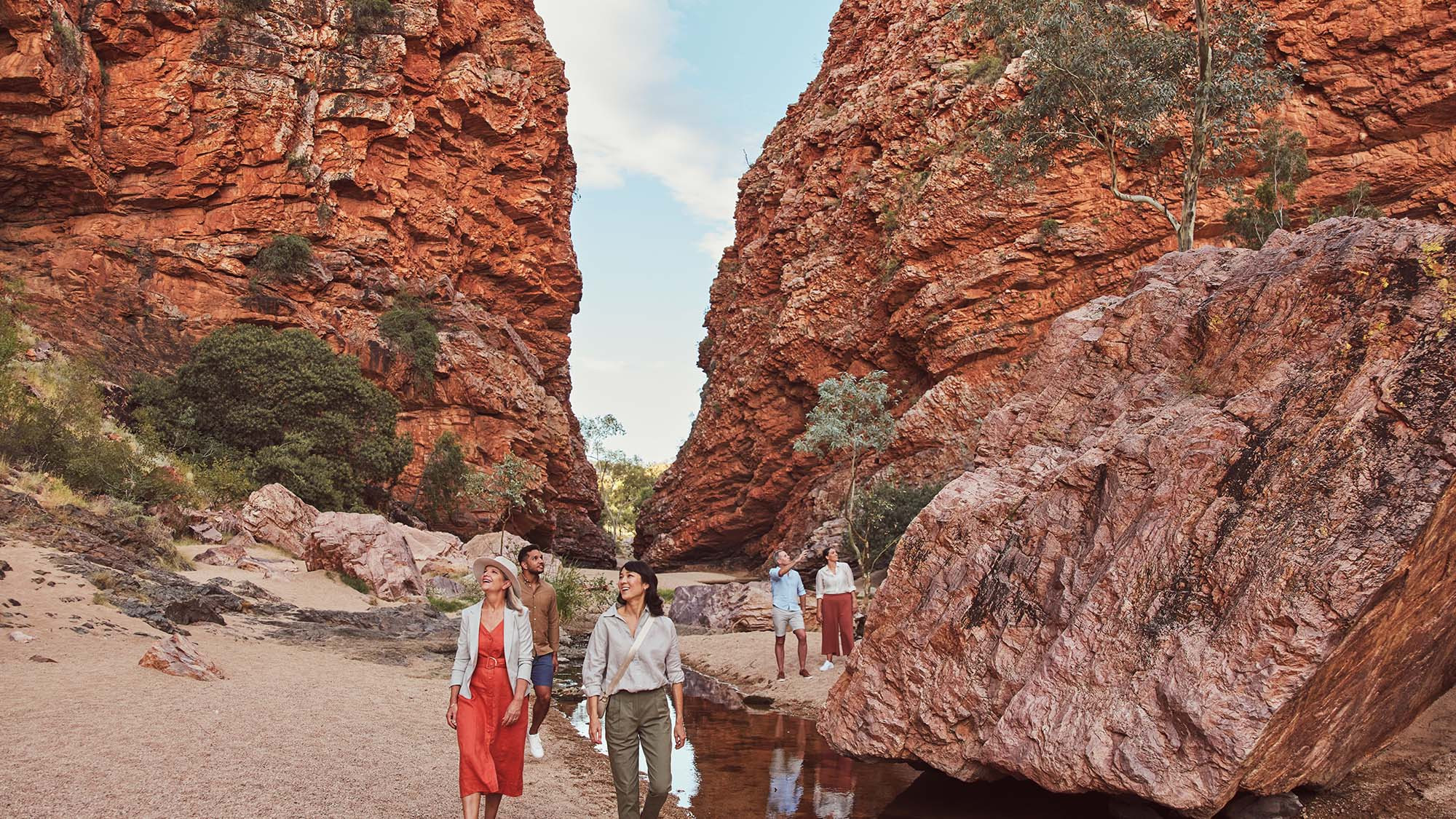
At Standley Chasm, the scenery draws you in close. Follow the walking track towards the narrow passage and look up: immense rock walls rise above you, their colours shifting with the light. Known as Angkerle Atwatye, this sacred place is owned and operated by the local Arrernte community. Your visit supports the ongoing care of the site and the community’s tourism enterprise.
The approach is part of the experience, with native vegetation and a creek bed leading towards the chasm. Wear supportive shoes and allow yourself time to enjoy the walk rather than rushing straight to the photograph. It’s well worth the wander.

Ellery Creek Big Hole: Make time for the waterholes
A broad pool beneath high cliffs, Ellery Creek Big Hole brings another dimension to the Red Centre. Water, rock and sky meet in a setting that invites a longer pause, making it a lovely choice for a picnic and some quiet time between sightseeing stops. It is one of the national park’s well-known places for walking, swimming and picnicking.
If you’re considering a swim, be prepared: the region’s waterholes can be extremely cold, even in warm weather. Follow local advice, swim only where permitted and avoid jumping or diving. Enjoying the view from the bank can be every bit as rewarding.
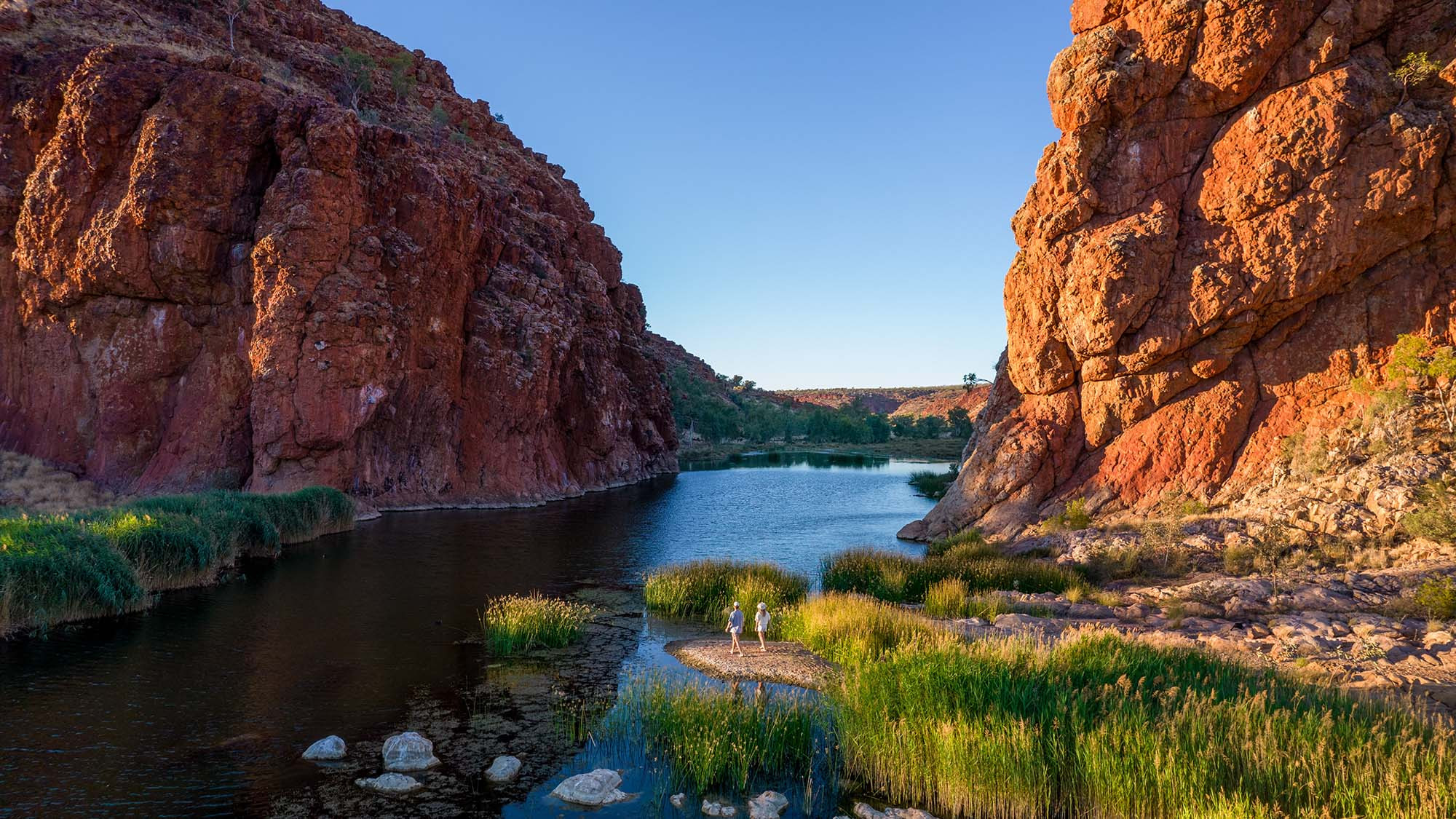
Glen Helen Gorge: Where the Finke River Meets the Ranges
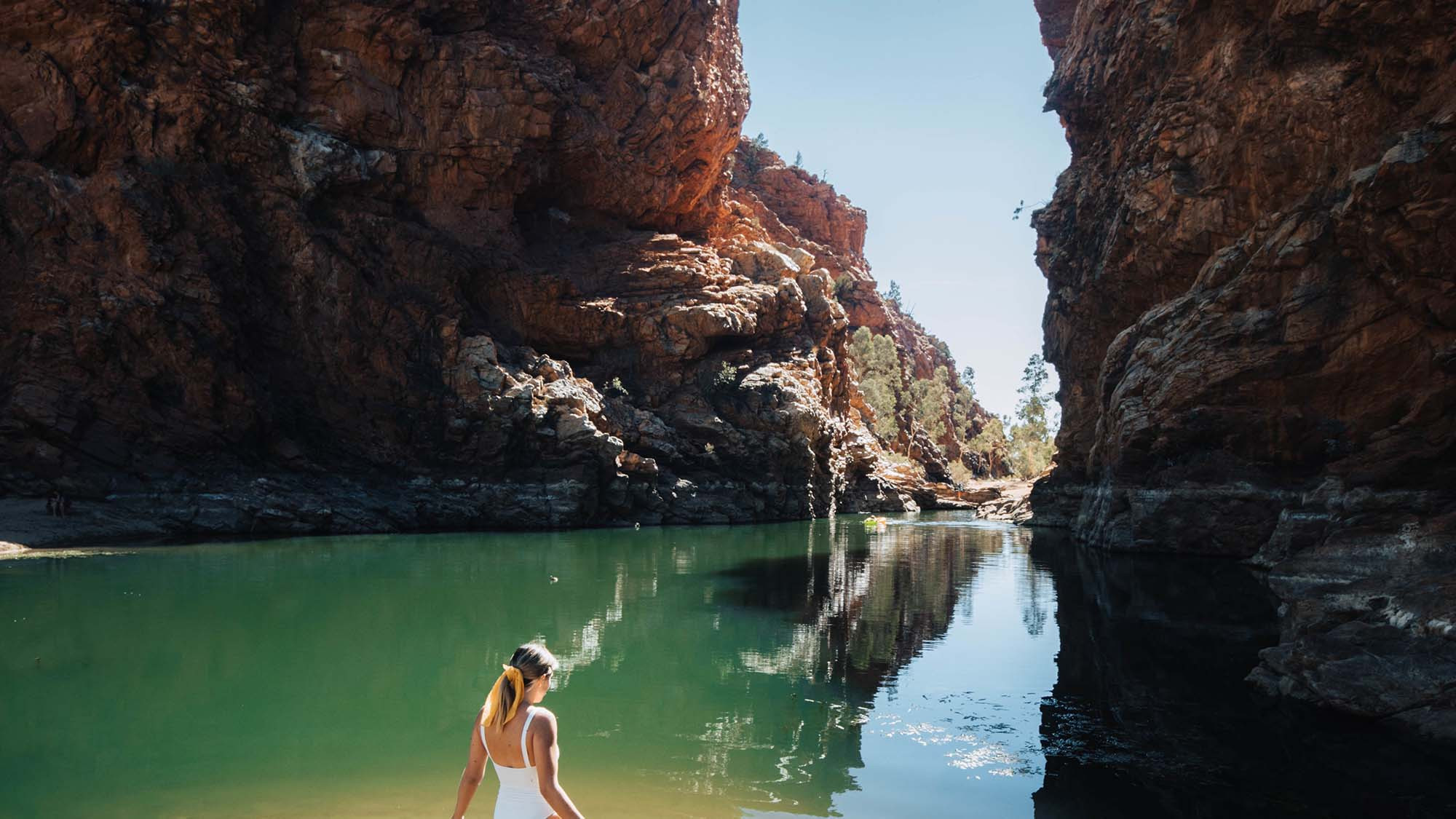
At Glen Helen Gorge, the West MacDonnell Ranges part to make way for the Finke River, creating a striking scene of towering rock walls and water. The contrast between the rugged cliffs and the sheltered waterhole makes this a memorable stop on your drive through the ranges.
Allow time to take in the colours, watch for birdlife and appreciate the scale of the landscape. Known as Yapalpe, the gorge has long been an important meeting place for Aboriginal people of the West and Central MacDonnell Ranges. Learning about that significance adds another dimension to the view and a deeper appreciation of this remarkable part of Central Australia.
Ormiston Gorge: A highlight worth allowing time for
Around 135 kilometres west of Alice Springs, Ormiston Gorge is a compelling reason to explore further. Towering gorge walls surround a waterhole, with walking options ranging from shorter outings to more demanding routes. Access to the visitor area is via sealed roads.
Build your visit around the experience you want. You might favour a shorter walk and time beside the water, or choose a more substantial outing if conditions and your fitness allow.
Check the details of each route carefully. Longer walks can involve uneven terrain and water crossings, and the effort required varies considerably. There’s plenty to appreciate here without committing to an extended circuit.
.jpg)
Plan for comfort and enjoy the day
The cooler months of April to September are the most popular time to visit. Winter mornings and evenings can be cold, so pack layers alongside your hat and sunscreen.
Carry drinking water, supportive walking shoes and lunch or snacks, and check facilities before setting out. Choose walks according to their terrain and difficulty as well as their distance.
Visitors to the Northern Territory require an NT Parks Visitor Pass for Tjoritja / West MacDonnell National Park. Before travelling, check current road conditions, park alerts and individual walking track updates, as access can change.
Leave room to be surprised
The West MacDonnell Ranges deserve a place in your Red Centre holiday for the variety they offer: dramatic scenery, wildlife encounters, cultural significance and the simple pleasure of spending time outdoors.
Give yourself a few well-chosen stops and time to enjoy them. You may find the moment you remember most is sitting beside a waterhole, looking up at the cliffs and feeling very glad you made the trip.
Images courtesy of Tourism NT.
Explore our featured deals:


